The Independent National Electoral Commission (INEC) has announced that the 2027 Presidential and National Assembly elections will hold on February 20, 2027.


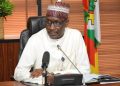
INEC Chairman, Prof. Joash Amupitan, disclosed this on Friday at a news conference in Abuja, stating that the Governorship and State Houses of Assembly elections are scheduled for March 6, 2027.
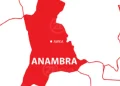
He said the commission acted in line with the 1999 Constitution (as amended) and the Electoral Act, 2022, noting that governorship elections will be conducted in 28 states. According to him, governorship polls will not hold in Anambra, Bayelsa, Edo, Ekiti, Imo, Kogi, Ondo and Osun states due to their different electoral cycles.
Amupitan said the release of the Notice of Election and Timetable for the 2027 General Elections marked a significant milestone in Nigeria’s democratic journey.
He explained that the tenure of the President, Vice President, Governors and Deputy Governors—except those in the affected states—will expire on May 28, 2027, while the National and State Assemblies will stand dissolved on June 8, 2027.
Citing Sections 76(2), 116(2), 132(2) and 178(2) of the Constitution, he said elections must hold not earlier than 150 days and not later than 30 days before the expiration of the current tenure of office holders.
He added that Section 28(1) of the Electoral Act, 2022 mandates the commission to publish the Notice of Election not later than 360 days before the election date.
“In exercise of the powers conferred on the Commission by the Constitution and the Electoral Act, 2022, the Commission hereby fixes the dates for the 2027 General Elections as follows: Presidential and National Assembly elections February 20, 2027; Governorship and State Houses of Assembly elections March 6, 2027,” he said.
Amupitan directed all 36 Resident Electoral Commissioners and that of the FCT to publish the Notice in their respective constituencies.
On the ongoing amendment of the Electoral Act by the National Assembly, the INEC chairman said while the commission is open to reforms that would strengthen the electoral process, it would continue to operate strictly within the existing legal framework until any amendment becomes law.
He urged political parties to adhere strictly to the timelines contained in the timetable, warning that the commission would enforce compliance.
According to the timetable, political parties are to submit their registers of members between April 22 and May 21, 2026. Party primaries and resolution of disputes arising from them are scheduled for May 22 to June 20, 2026.
The nomination portal for Presidential and National Assembly elections will open on July 14 and close on July 28, 2026, while that of governorship and State Assembly elections will open on August 11 and close on August 25, 2026.
INEC will publish personal particulars of candidates for Presidential and National Assembly elections on August 4, 2026, and for governorship and State Assembly elections on September 1, 2026.
August 25 and September 22, 2026 have been fixed as the last days for withdrawal of candidates for Presidential/National Assembly and Governorship/State Assembly elections, respectively. The final list of candidates for national elections will be published on August 15, 2026, while that of state elections will be released on October 6, 2026.
Campaigns are expected to commence between September 23 and October 7, 2026, and will end 24 hours before election day.
Amupitan assured Nigerians that INEC would deepen the deployment of technology to enhance transparency, continue the cleaning and updating of the National Register of Voters, strengthen engagement with security agencies, and expand voter education.
He called on political parties, candidates and supporters to conduct themselves peacefully, stressing that the success of the 2027 general elections is a collective responsibility.
“The Commission is fully prepared and determined to deliver elections that reflect the sovereign will of the people,” he said.